Eco-Living Infrastructure in India 2026: Why People Are Shifting Towards Sustainable Activity Farms & Open-Air Lifestyles
India’s development story has long been measured in highways, high-rises, and concrete expansion. But beneath this visible growth, a quieter transformation is underway. Families, institutions, professionals, and communities are increasingly questioning whether dense urban living truly supports long-term health, sustainability, and quality of life. This shift in mindset is the reason eco living infrastructure India 2026 has become one of the most searched and discussed lifestyle development topics today.
People are no longer searching only for properties or destinations. They are searching for answers. Is open land safer? Are activity farms legal? Is eco-living just a trend or a genuine alternative? Can outdoor, nature-based environments actually support modern lifestyles?
This blog exists to answer those questions—without selling, without exaggeration, and without pushing a brand. It is written to educate, clarify confusion, and build trust by addressing what people are genuinely searching for online.
Understanding Eco-Living Infrastructure: What It Really Means
At its simplest level, eco-living infrastructure refers to land-use systems that prioritize environmental balance, human well-being, and sustainable experiences rather than intensive construction. Unlike conventional infrastructure models that focus on buildings and monetization of land, eco living infrastructure India 2026 focuses on how land can be used responsibly while still serving social, educational, and recreational needs.
Eco-living infrastructure is not about abandoning development—it is about redefining it.
Core Principles of Eco-Living Infrastructure
- Low-Impact Development
Structures are minimal, often temporary or modular, and designed to coexist with natural terrain rather than replace it. - Open & Experiential Spaces
Emphasis is placed on outdoor activities, learning zones, sports, wellness areas, and community interaction. - Environmental Compliance
Projects align with environmental norms laid out by bodies such as the Ministry of Environment, Forest and Climate Change (MoEFCC). - Purpose Over Profit Density
The land is used for meaningful engagement—education, recreation, wellness—not aggressive construction.
This model aligns with global frameworks like UN Sustainable Development Goal 11 (Sustainable Cities & Communities).
Why Eco-Living Infrastructure Is Gaining Momentum in India
The rise of eco living infrastructure India 2026 is not driven by marketing—it is driven by necessity.
Urban Saturation & Mental Fatigue
India’s urban centers are reaching saturation. Congestion, pollution, shrinking open spaces, and rising stress levels have pushed families and professionals to seek alternatives that offer balance rather than excess.
Health & Lifestyle Shifts
Post-pandemic behavior has shown a measurable increase in demand for:
- Outdoor physical activity
- Nature-based learning
- Open-air social interaction
According to the World Health Organization, access to green spaces significantly improves mental and physical health outcomes.
This directly supports the growth of eco-living infrastructure models.
Government Policies Supporting Eco-Living & Sustainable Land Use
A major reason eco living infrastructure India 2026 is expanding is policy alignment.
Ministry of Tourism & Eco-Tourism
The Indian government actively promotes eco-tourism as a sustainable economic driver, especially in rural and peri-urban regions.
Sustainable Land & Environmental Guidelines
Environmental regulations discourage unchecked construction while supporting low-impact land use, agro-tourism, and experiential development.
These frameworks allow eco-living infrastructure to exist legally when planned responsibly.

The Real Questions People Ask Online (Search Intent Analysis)
Search behavior reveals genuine confusion and concern. The most common questions include:
Are Activity Farms Legal in India?
Yes—when they operate under permitted land-use categories and avoid illegal construction. Many activity farms function under:
- Agricultural land use
- Agro-tourism permissions
- Eco-tourism guidelines
Land legality can be verified through official land record portals.
Do Eco-Living Spaces Fall Under Restricted Zones?
This depends on:
- State master plans
- Local zoning regulations
- Type of infrastructure created
Eco-living infrastructure typically avoids permanent residential construction, which helps it remain compliant in green or regulated zones.
Is Eco-Living Just a Rebranded Farmhouse Concept?
No. This is one of the biggest misconceptions.
Eco-Living Infrastructure vs Farmhouses vs Commercial Resorts
Understanding this distinction is essential.
- Minimal construction
- Activity & experience-focused
- Environment-first planning
- Shared community usage
Farmhouses
- Private ownership
- Residential construction
- Often legally complex
- Higher ecological footprint
- Heavy built-up areas
- Profit-driven density
- High environmental impact
This clarity explains why eco living infrastructure India 2026 is increasingly seen as a responsible alternative.
Why Families Are Choosing Eco-Living Environments
Parents today prioritize:
- Child safety
- Outdoor engagement
- Physical activity
- Environmental awareness
Open eco-living spaces allow children to learn through movement, exploration, and real-world interaction rather than screens.
UNESCO strongly supports experiential and outdoor learning models.
Why Schools & Institutions Are Turning to Eco-Living Spaces
Educational institutions increasingly integrate:
- Nature-based learning
- Sports & teamwork activities
- Sustainability education
Eco-living infrastructure provides real-world learning environments that classrooms cannot replicate.
Why Corporates Prefer Eco-Living Destinations for Engagement
Corporate offsites are evolving. Companies now prioritize:
- Employee wellness
- Team bonding through activities
- Open-air, low-stress environments
Eco-living infrastructure supports these goals far better than enclosed hotels or convention centers.
How Sustainable Activity Farms Are Designed
Sustainable activity farms form the backbone of eco living infrastructure India 2026.
Key design principles include:
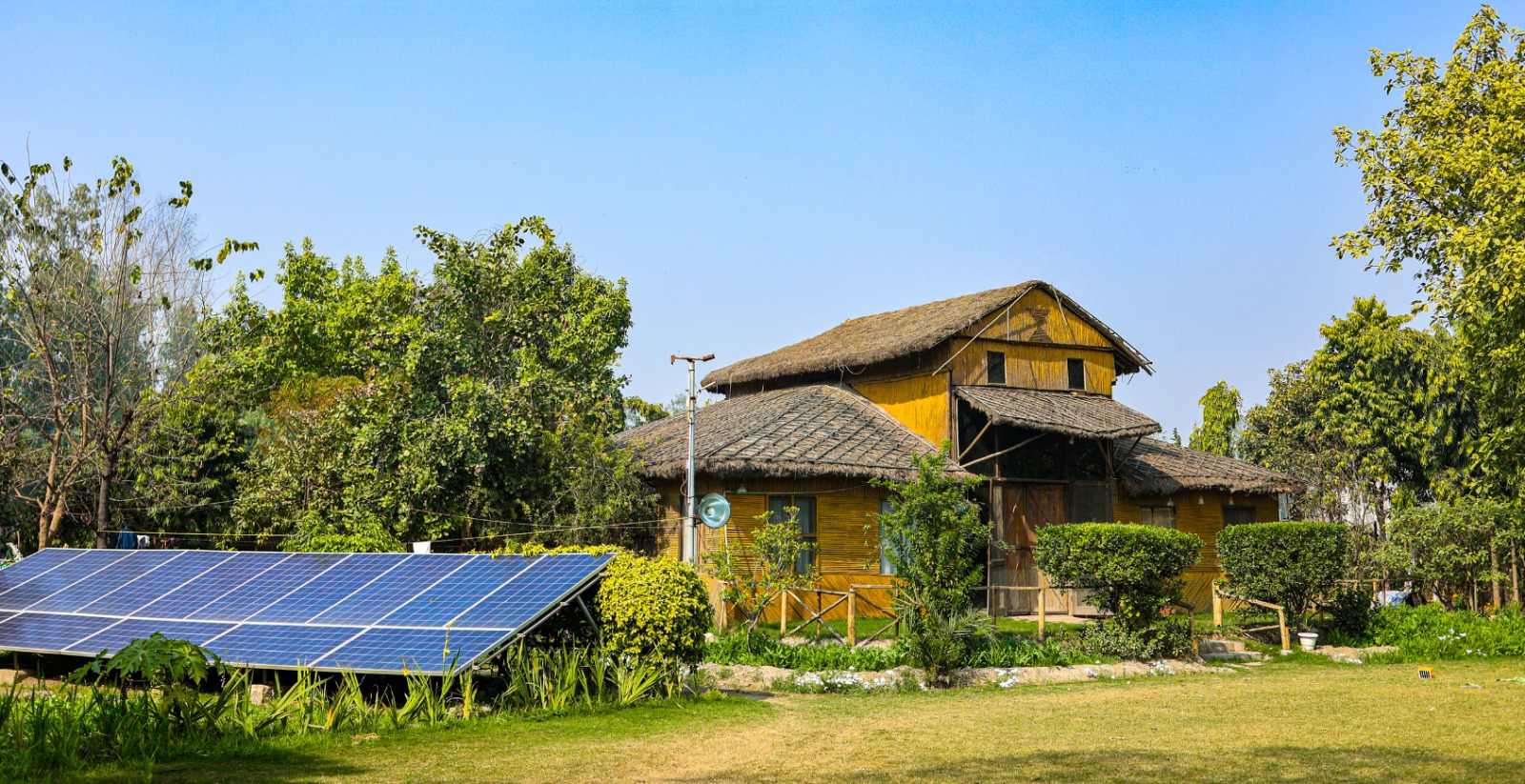
- Preserving natural land contours
- Using native plantations
- Rainwater harvesting
- Non-permanent structures
- Open sports and activity zones
These farms prioritize long-term land health over short-term monetization.
Environmental Benefits of Eco-Living Infrastructure
Eco-living infrastructure contributes to:
- Reduced carbon footprint
- Improved soil health
- Biodiversity preservation
- Water conservation
The World Economic Forum recognizes low-impact infrastructure as essential for future development.
What to Check Before Visiting an Eco-Living Destination
Before engaging with any eco-living or activity-based space, individuals should verify:
- Land-use permissions
- Environmental compliance
- Safety standards
- Activity planning
- Accessibility
- Sustainability practices
These checks protect visitors and reinforce transparency.
Common Myths Around Eco-Living Infrastructure
Myth 1: Eco-Living Is Temporary or Trend-Based
Reality: It is supported by long-term policy and lifestyle shifts.
Myth 2: Eco-Living Means No Comfort
Reality: Comfort is redesigned, not removed.
Myth 3: Eco-Living Is Unregulated
Reality: It operates under multiple regulatory frameworks.
The Future of Eco-Living Infrastructure in India Beyond 2026
Looking ahead, eco living infrastructure India 2026 is expected to expand into:
- Integrated eco-learning hubs
- Community-driven outdoor spaces
- Hybrid wellness & recreation models
- Climate-resilient land use systems
This evolution reflects India’s growing alignment with sustainable global development practices.
FAQ
1. What is eco-living infrastructure in India?
Eco-living infrastructure in India refers to land-use and development models that prioritize environmental sustainability, low-impact construction, and nature-based human activities. Instead of focusing on dense buildings, eco-living infrastructure supports open green spaces, outdoor learning, wellness activities, and community engagement. As India moves toward 2026, eco living infrastructure India 2026 is increasingly aligned with national sustainability goals and climate-resilient planning frameworks.
2. Why is eco-living infrastructure becoming important in India by 2026?
Eco-living infrastructure is becoming important due to rapid urbanization, shrinking green spaces, rising lifestyle stress, and stronger environmental regulations. By 2026, India’s development strategy is shifting toward sustainable land use, eco-tourism, and experience-based infrastructure that balances economic growth with ecological responsibility. This makes eco living infrastructure India 2026 a critical response to modern lifestyle and environmental challenges.
3. Is eco-living infrastructure legal in India?
Yes, eco-living infrastructure is legal in India when developed according to local zoning laws, land-use regulations, and environmental norms. Most eco-living projects operate under agricultural, agro-tourism, or eco-tourism policies, provided they avoid unauthorized permanent construction. Legality depends on state-specific regulations and compliance with environmental guidelines, which is why eco living infrastructure India 2026 focuses heavily on low-impact, regulation-aligned development.
4. How is eco-living infrastructure different from farmhouses?
Eco-living infrastructure differs from farmhouses in purpose and design. Farmhouses are typically private residential properties with significant construction, whereas eco-living infrastructure focuses on shared, experience-based use of land with minimal built-up areas. In eco living infrastructure India 2026, the emphasis is on activities, learning, and sustainability rather than private ownership or luxury housing.
5. Does eco-living infrastructure fall under green or restricted zones?
Eco-living infrastructure may be developed near green or regulated zones, but only when it complies with land-use norms and environmental clearance requirements. Since eco living infrastructure India 2026 emphasizes non-invasive development, native plantations, and minimal construction, it is often more compatible with environmentally sensitive planning compared to conventional real estate projects.
6. What types of activities are supported by eco-living infrastructure?
Eco-living infrastructure supports activities such as outdoor sports, nature education, experiential learning, wellness programs, community farming, and eco-tourism experiences. These activities are designed to engage people with the environment while maintaining ecological balance. This approach is a defining feature of eco living infrastructure India 2026.
7. Why are families and schools attracted to eco-living infrastructure?
Families and schools prefer eco-living infrastructure because it offers safe, open-air environments for physical activity, learning, and social development. Children benefit from reduced screen time, improved mental health, and experiential education. These benefits align strongly with the principles of eco living infrastructure India 2026.
8. How does eco-living infrastructure support environmental sustainability?
Eco-living infrastructure supports sustainability by reducing construction density, preserving natural land contours, conserving water, promoting biodiversity, and lowering carbon emissions. By 2026, eco living infrastructure India 2026 is expected to play a key role in climate-resilient development and responsible land stewardship.
9. What should people check before visiting or engaging with an eco-living destination?
Before visiting an eco-living destination, people should verify land-use permissions, environmental compliance, safety measures, and sustainability practices. Transparency in operations and alignment with eco-living principles are essential indicators of credible eco living infrastructure India 2026 projects.
10. Is eco-living infrastructure a long-term trend or a temporary concept?
Eco-living infrastructure is a long-term shift, not a temporary trend. It is supported by government policies, global sustainability frameworks, and changing lifestyle preferences. As environmental awareness and urban pressures increase, eco living infrastructure India 2026 is expected to become a mainstream model for responsible land use and lifestyle development.
Understanding the Shift Before Making a Choice
The growing conversation around eco living infrastructure India 2026 is not driven by trends or marketing language—it is driven by lived experience. People are responding to crowded cities, shrinking green spaces, rising health concerns, and a growing awareness that development without responsibility comes at a long-term cost. Eco-living infrastructure represents a conscious shift toward balance rather than excess.
What makes eco-living infrastructure relevant is not just sustainability in theory, but practicality in everyday life. It addresses real concerns people search for online: legality, safety, environmental impact, long-term usability, and genuine value beyond aesthetics. By focusing on low-impact land use, open spaces, and experience-based engagement, eco-living infrastructure offers an alternative that feels both grounded and future-ready.
As India moves closer to 2026, the definition of infrastructure itself is evolving. Infrastructure is no longer just about what is built, but about how land is respected, how people interact with spaces, and how development aligns with environmental realities. This is why eco living infrastructure India 2026 is increasingly discussed in the context of lifestyle, education, wellness, and community—not just construction or tourism.
For individuals, families, schools, and organizations exploring eco-living spaces, the most important step is awareness. Understanding land-use regulations, environmental compliance, and the intent behind a project matters more than surface-level appeal. Sustainable spaces are not those that claim to be “green,” but those that operate transparently, minimize ecological disruption, and prioritize long-term land health.
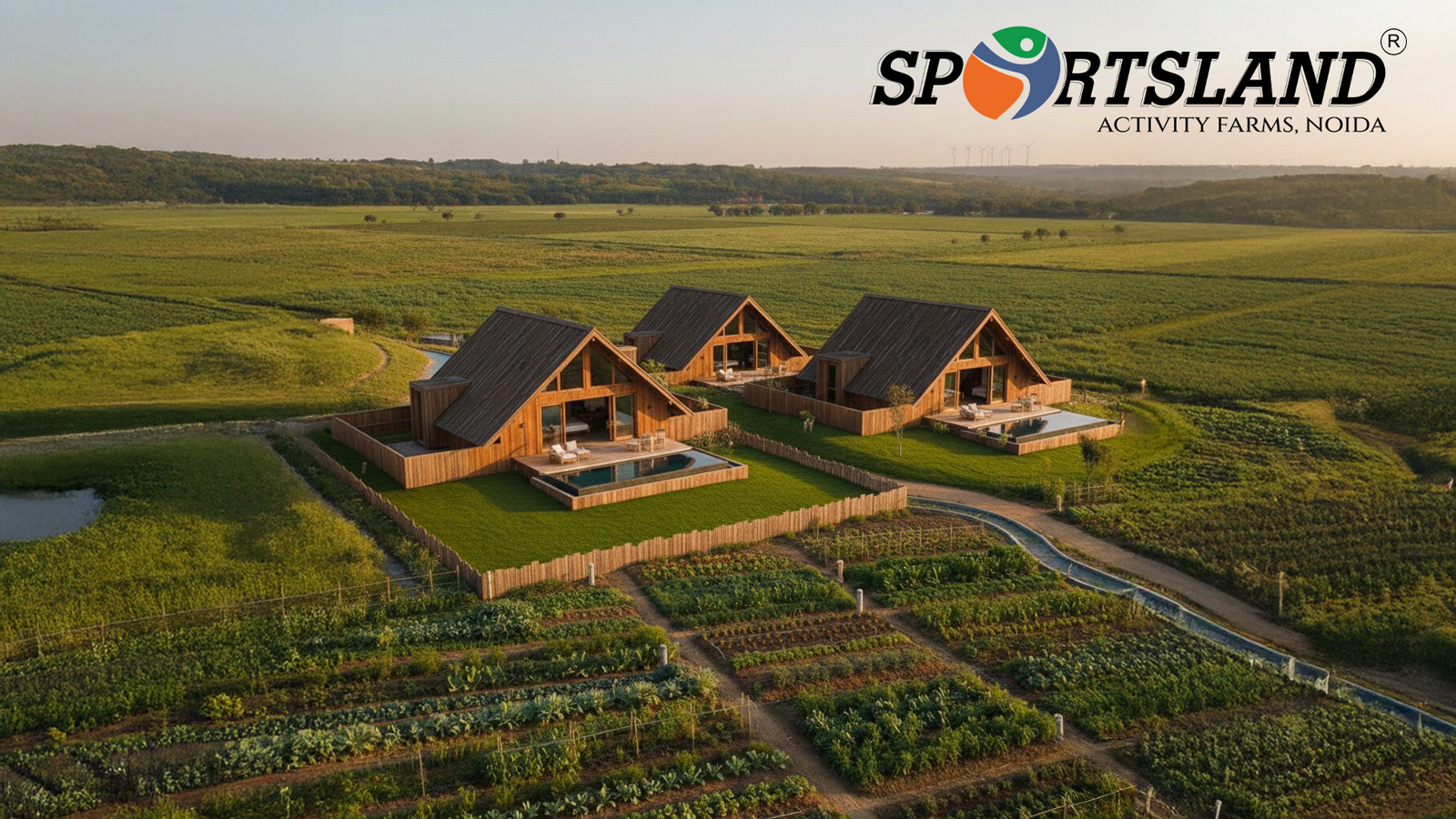
Across India, a small but growing number of activity-based eco-living destinations are quietly applying these principles in real settings—demonstrating that outdoor recreation, learning, and sustainability can coexist without aggressive construction. One such example is Sportsland Activity Farms, which reflects how eco-living infrastructure can be implemented responsibly through open land use, nature-integrated activities, and experience-driven design.
Ultimately, the future of eco living infrastructure India 2026 will belong to those who understand that progress does not require replacing nature—but learning how to grow alongside it.