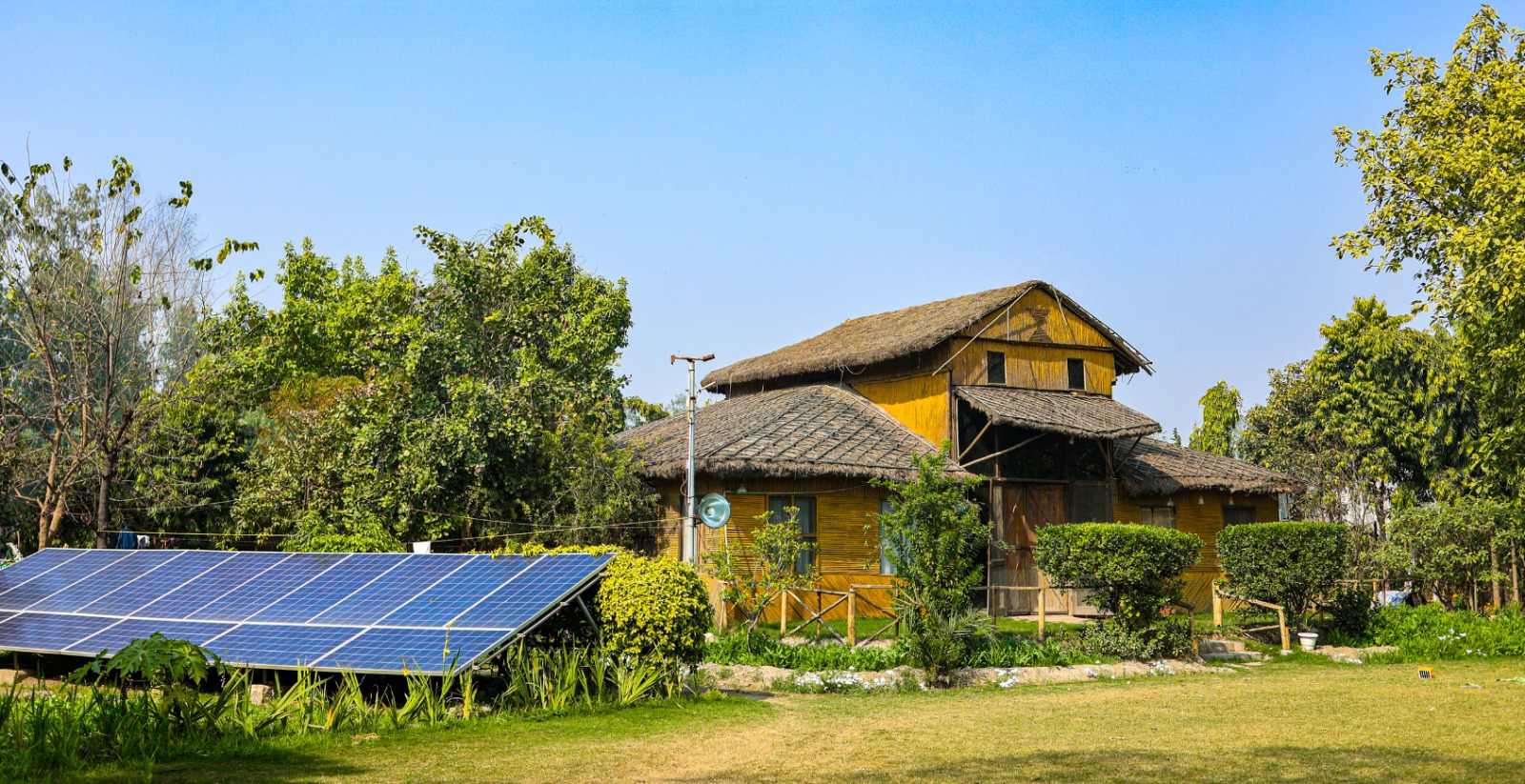
PM2.5, Density & Daily Exposure: What CPCB Data Reveals About Flat Living vs a Sustainable Farmhouse in Noida Sector 151
Every winter in Delhi-NCR, the same conversation repeats itself—schools close, construction halts, vehicles are restricted, and air purifiers sell out overnight. What is often treated as a “seasonal inconvenience” is actually a year-round public health exposure problem. The invisible villain behind this crisis is PM2.5, a microscopic pollutant that penetrates deep into the lungs and bloodstream Sustainable Farmhouse in Noida Sector 151.
While policy debates, odd-even rules, and emergency measures dominate headlines, one fundamental factor is rarely discussed enough: where and how we live. Housing density, proximity to emission sources, and everyday exposure patterns play a decisive role in long-term health outcomes. This is why more families today are re-evaluating vertical city living and exploring alternatives like a sustainable farmhouse in Noida Sector 151—not as a luxury purchase, but as a lifestyle and health decision.
This blog examines what CPCB data, government policy, and global health research actually reveal about PM2.5 exposure, population density, and why low-density living is increasingly being seen as a form of preventive healthcare Sustainable Farmhouse in Noida Sector 151.
What Exactly Is PM2.5 — And Why It Is So Dangerous
PM2.5 refers to particulate matter with a diameter of 2.5 micrometres or less—about 30 times smaller than the width of a human hair. Because of their size, these particles bypass the body’s natural defense mechanisms and penetrate deep into the lungs, eventually entering the bloodstream.
According to the World Health Organization (WHO), PM2.5 exposure is linked to:
- Chronic respiratory diseases
- Cardiovascular conditions
- Stroke
- Lung cancer
- Reduced lung development in children
What makes PM2.5 particularly dangerous is chronic exposure. You don’t need to be choking in visible smog every day to be affected. Living in an environment where PM2.5 levels remain moderately elevated over years quietly increases health risks—especially for children and seniors.
CPCB’s Official PM2.5 Standards: What India Considers “Acceptable”
India’s air quality standards are defined by the Central Pollution Control Board (CPCB) under the National Ambient Air Quality Standards (NAAQS).
According to CPCB:
- Annual PM2.5 limit: 40 µg/m³
- 24-hour PM2.5 limit: 60 µg/m³
While these limits are legally enforceable, they are significantly higher than global health recommendations. For comparison, the WHO recommends:
- Annual PM2.5: 5 µg/m³
- 24-hour PM2.5: 15 µg/m³
This gap is crucial. It means that air considered “acceptable” under Indian law may still pose long-term health risks—especially in densely populated urban clusters Sustainable Farmhouse in Noida Sector 151.
How CPCB Measures Air Quality: Understanding AQI and NAQI
To communicate pollution levels to the public, CPCB uses the National Air Quality Index (NAQI). AQI converts multiple pollutants—including PM2.5—into a single number with health categories such as:
- Good
- Satisfactory
- Moderate
- Poor
- Very Poor
- Severe
What many people don’t realize is that “Moderate” AQI is not harmless. CPCB’s own health advisories indicate that prolonged exposure at moderate levels can still affect vulnerable groups, including children, the elderly, and people with existing conditions Sustainable Farmhouse in Noida Sector 151.
AQI is not just a number—it is a risk communication tool, and its frequent deterioration across NCR highlights a structural exposure issue rather than a temporary anomaly.

Why Delhi-NCR Has Emergency Air Laws: GRAP and CAQM Explained
Delhi-NCR is governed by special air pollution measures because of its unique emission load and geographical constraints. The Commission for Air Quality Management (CAQM) oversees air quality responses across the region, implementing the Graded Response Action Plan (GRAP) during pollution spikes.
GRAP includes:
- Construction bans
- Vehicle restrictions
- Industrial shutdowns
- School closures
The very existence of GRAP signals one important truth: air pollution in NCR is not episodic—it is systemic. When emergency measures become routine, it raises questions about long-term habitability in high-density urban formats.
Density Equals Exposure: The Hidden Cost of Flat Living
High-rise apartments dominate urban NCR for a reason—limited land availability and high population pressure. However, density comes with an environmental cost.
Key exposure factors in dense residential clusters include:
- Higher vehicle concentration per square kilometre
- Continuous construction activity
- Reduced dispersion of pollutants
- Proximity to traffic corridors and commercial zones
- Limited green buffers
Government urbanisation studies by MoHUA consistently show that dense urban zones experience higher localized pollution loads due to overlapping emission sources.
This doesn’t mean every apartment is unhealthy—but it does mean that daily exposure is structurally higher in dense environments. Over years, this exposure compounds Sustainable Farmhouse in Noida Sector 151.
Why Low-Density Living Changes the Equation
This is where the idea of a sustainable farmhouse in Noida Sector 151 becomes relevant—not as an escape fantasy, but as a measurable exposure shift.
Low-density living typically offers:
- Fewer local emission sources
- Greater distance from arterial roads
- Larger green buffers and open land
- Better air circulation and dispersion
- Reduced construction churn
WHO research on urban planning consistently shows that green buffers and reduced density lower localized pollution concentrations, even within the same regional air-shed.
Living in a sustainable farmhouse in Noida Sector 151 does not make one “immune” to NCR pollution—but it can reduce daily exposure intensity, which is the most important variable in long-term health outcomes Sustainable Farmhouse in Noida Sector 151.
PM2.5 and Vulnerable Groups: Children and Seniors
Children inhale more air per unit of body weight than adults, making them especially vulnerable to PM2.5. Long-term exposure is linked to:
- Reduced lung capacity
- Increased asthma incidence
- Impaired cognitive development
WHO report on children and air pollution
For seniors, PM2.5 exposure increases the risk of:
- Heart attacks
- Stroke
- Chronic respiratory illness
The Indian Council of Medical Research (ICMR) has repeatedly identified air pollution as a major contributor to disease burden in India.
This is why families with children and ageing parents are increasingly prioritising environmental quality over mere proximity to the city Sustainable Farmhouse in Noida Sector 151.
Using Government Tools to Manage Daily Exposure
While location plays the biggest role, monitoring tools help manage short-term exposure:
- SAFAR (System of Air Quality and Weather Forecasting and Research) provides official air quality forecasts for NCR.
However, forecasting only helps react. Long-term wellbeing depends on where exposure begins each day, which is directly influenced by housing format and density Sustainable Farmhouse in Noida Sector 151.
Beyond a Second Home: The Lifestyle Shift Driving Sustainable Farmhouse Living
The rise of interest in a sustainable farmhouse in Noida Sector 151 is not accidental. It reflects a broader shift in priorities:
- Health over convenience
- Space over congestion
- Long-term resilience over short-term returns
- A legacy mindset rather than transactional real estate
Farmhouse communities allow families to:
- Reconnect children with open outdoor play
- Reduce screen-time dependency
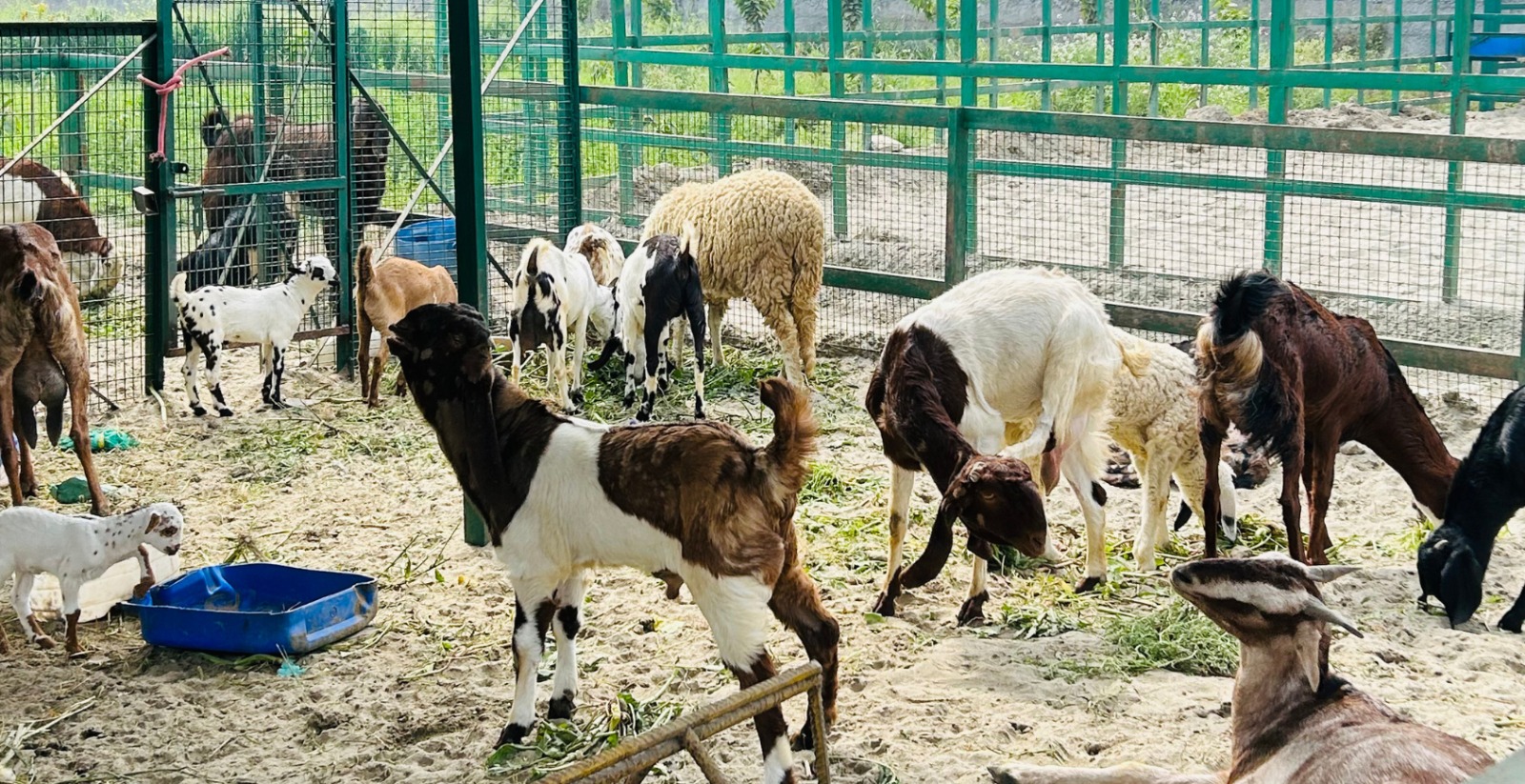
- Maintain pets and organic gardens
- Experience lower daily stress levels
This is not about abandoning the city—it is about rebalancing life around wellbeing Sustainable Farmhouse in Noida Sector 151.
Clean Air Is Not a Luxury, It Is a Daily Choice
CPCB data, government policy, and global health research all point to the same conclusion: PM2.5 exposure is cumulative, and density amplifies risk. Emergency measures like GRAP treat symptoms, not causes.
Choosing a sustainable farmhouse in Noida Sector 151 represents a proactive decision—one that addresses exposure at its root by reducing density, increasing green buffers, and allowing families greater control over their living environment.
In a region where air quality emergencies have become routine, clean air is no longer a privilege. It is a lifestyle choice, a health strategy, and increasingly, a legacy decision.
FAQ
1. What is a safe PM2.5 level according to the Government of India?
According to the Central Pollution Control Board (CPCB) under India’s National Ambient Air Quality Standards (NAAQS), PM2.5 is considered within permissible limits when:
- Annual average: ≤ 40 µg/m³
- 24-hour average: ≤ 60 µg/m³
However, CPCB also acknowledges that prolonged exposure—even within these limits—can still pose health risks, especially for children, seniors, and people with respiratory conditions Sustainable Farmhouse in Noida Sector 151.
2. How does PM2.5 affect children differently than adults?
Children breathe more air per kilogram of body weight than adults, making them significantly more vulnerable to PM2.5. According to the World Health Organization (WHO), long-term exposure in children is linked to:
- Reduced lung growth
- Higher asthma risk
- Increased respiratory infections
- Potential cognitive and developmental impacts
3. Why does Delhi-NCR need GRAP every year?
The Graded Response Action Plan (GRAP) is enforced because Delhi-NCR experiences recurrent air quality emergencies due to high emissions, geography, and population density. GRAP includes construction bans, vehicle restrictions, and school closures during severe pollution episodes. one Sustainable Farmhouse in Noida Sector 151.
4. Is AQI the same as PM2.5?
No. PM2.5 is a pollutant, while AQI (Air Quality Index) is a communication tool that converts multiple pollutants—including PM2.5—into a single health-risk number. PM2.5 is often the dominant pollutant driving AQI levels in NCR.
5. Can changing my residential location actually reduce pollution exposure?
Yes. According to WHO urban air quality studies, local exposure is influenced by:
- Distance from emission sources
- Population density
- Green buffers
- Traffic volume near homes
Even within the same region, low-density, green-buffered areas can experience lower localized pollution levels.
6. Are farmhouses legally protected from air pollution issues?
No residential format is legally “protected” from regional air pollution. However, exposure intensity differs Sustainable Farmhouse in Noida Sector 151 based on location, density, and local emission sources. Low-density areas typically have fewer nearby pollution contributors, which can lower chronic exposure
7. How reliable is SAFAR air quality forecasting for NCR?
SAFAR (System of Air Quality and Weather Forecasting and Research) is a Government of India initiative under the Ministry of Earth Sciences. It provides real-time and forecasted air quality data for NCR and major cities.
8. Why are low-density communities gaining popularity in NCR?
According to MoHUA urbanisation reports, high-density cities face increasing challenges related to pollution, infrastructure strain, and quality of life. Low-density communities offer Sustainable Farmhouse in Noida Sector 151:
- Better air circulation
- Reduced construction activity
- Higher green cover per resident
9. Is sustainable farmhouse living suitable for senior citizens?
Yes. WHO research on healthy ageing environments highlights that seniors benefit from Sustainable Farmhouse in Noida Sector 151:
- Cleaner air
- Reduced noise pollution
- Walkable open spaces
- Lower stress levels
10. Is a sustainable farmhouse in Noida Sector 151 a good long-term investment?
Beyond real estate appreciation, a sustainable farmhouse offers health, lifestyle, and legacy value. With rising awareness around air quality, green living, and low-density development, such properties align strongly with future demand trends.
Clean Air Is Not a Short-Term Fix. It’s a Long-Term Decision.
If CPCB data, WHO guidelines, and NCR’s repeated emergency measures tell us anything, it’s this:
where you live directly shapes what you breathe, every single day.
A sustainable farmhouse in Noida Sector 151 isn’t just about owning land—it’s about reducing daily pollution exposure, giving your family open green space, and building a healthier lifestyle that compounds over time.
📍 Visit Sportsland Activity Farms Sustainable Farmhouse in Noida Sector 151to experience low-density, nature-led living first-hand.
📞 Book a site visit or consultation today and understand how clean-air living can become part of your family’s long-term legacy.